


News and Events
System Integrator Philippines: Building Smarter, Safer, and More Efficient Facilities
What Is a System Integrator?
A System Integrator Philippines provider plans, coordinates, and connects multiple building technologies so they can operate within one organized environment. Instead of installing each system independently, system integration considers how electrical, mechanical, auxiliary, security, communication, network, and automation technologies interact throughout a facility.
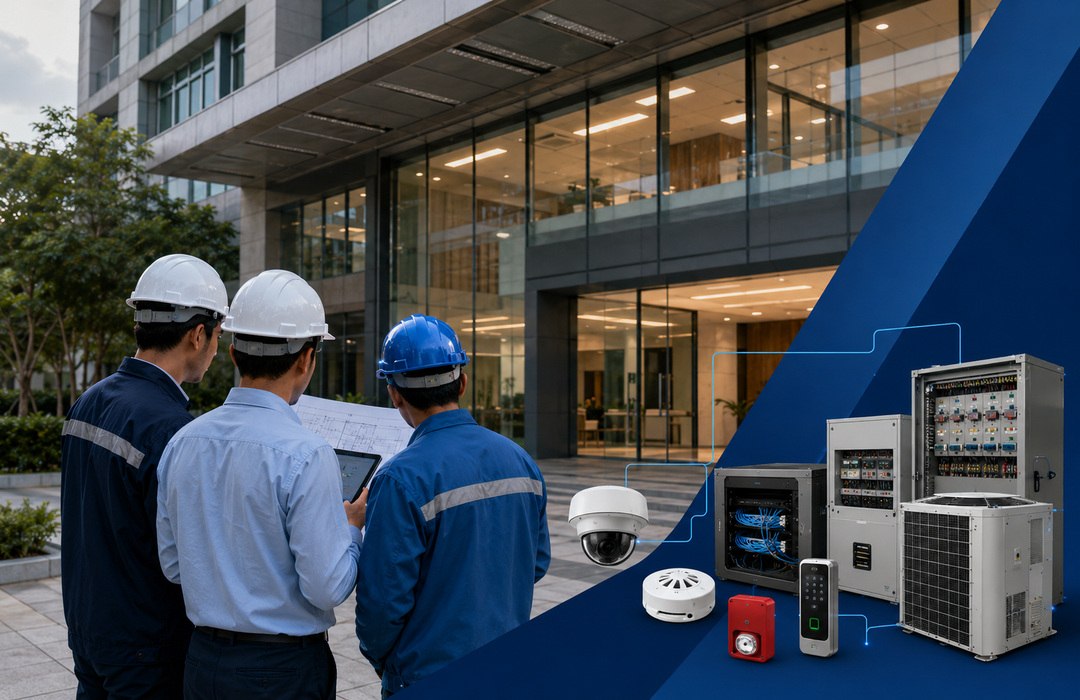
Modern offices, hospitals, manufacturing facilities, educational institutions, commercial properties, and industrial buildings can depend on numerous systems for daily operations. These may include Auxiliary Works (Fire Detection and Alarm Systems, CCTV, Access Control, Structured Cabling, Audio Visual Systems, and Public Address Systems), Electrical Works, and Mechanical Works, along with Building Management Systems and other technologies that may be integrated according to the facility’s requirements.
System integration brings engineering, design, project management, installation, testing, commissioning, and maintenance together under a coordinated approach. The objective is not simply to install individual technologies but to establish infrastructure in which compatible systems can work together according to the facility’s operational requirements.
Why Choose a System Integrator?
Modern building projects often involve several contractors, consultants, suppliers, manufacturers, and technical disciplines. Without proper coordination, separate installations can create compatibility problems, duplicated infrastructure, installation conflicts, and more complicated maintenance requirements.
Working with a professional System Integrator Philippines provider helps coordinate these technologies from planning through project completion. Electrical, mechanical, auxiliary, security, communication, and network requirements can be considered together rather than treated as completely separate projects.
Proper integration can also make facility management easier. When building technologies are organized and documented properly, technical teams can troubleshoot equipment, perform maintenance, and plan future upgrades more efficiently.
Early coordination also helps organizations prepare their infrastructure for future expansion as operational requirements and building technologies continue to change.
How System Integration Works
System integration begins with an assessment of the facility’s operational requirements, occupancy, safety needs, existing infrastructure, and future development plans. Engineers determine how individual technologies should function and where coordination between different systems is required.
After the design is approved, electrical, mechanical, auxiliary, communication, security, and network technologies are installed according to project requirements. Proper coordination during this stage helps minimize installation conflicts between different systems and contractors.
Each subsystem then undergoes functional testing before integrated operations are verified. Testing and commissioning help confirm that individual technologies perform as intended and that compatible systems communicate according to the approved design.
After project completion, preventive maintenance, inspections, system updates, monitoring, and technical support can help maintain system performance throughout the building’s operational lifecycle.
System Integration Safety & Trust
Successful system integration depends on proper planning, compatibility, documentation, and testing. Equipment from different manufacturers may use different communication protocols, software platforms, or hardware standards, making compatibility assessment important during the design stage.
Existing buildings may also contain legacy infrastructure that needs to operate alongside newer technologies. These environments require careful planning to introduce new systems without unnecessarily disrupting existing operations.
Engineering drawings, equipment schedules, network diagrams, system configurations, and testing documentation should be maintained throughout the project. These records can help technical teams understand how individual systems connect and make future maintenance or upgrades easier.
Foxcon Total Solutions, Inc. supports integrated projects through Engineering and Design, Supply and Installation, Project Implementation, System Integration, Testing and Commissioning, Preventive Maintenance, and technical support.
System Integration Tips
-
Begin system coordination early in the project planning process.
-
Identify compatibility requirements before selecting equipment from different manufacturers.
-
Maintain updated engineering drawings, equipment schedules, and network diagrams.
-
Consider future expansion when designing building infrastructure.
-
Coordinate electrical, mechanical, auxiliary, security, and communication requirements.
-
Test individual systems before validating integrated functions.
-
Include preventive maintenance and long-term technical support in project planning.
Bring Multiple Building Technologies Into One Coordinated Infrastructure
Modern facilities depend on numerous technologies for safety, connectivity, communication, power, security, and everyday operations. Managing these technologies independently can make installation, troubleshooting, maintenance, and future expansion more complicated.
A professional System Integrator Philippines provider can coordinate engineering, installation, testing, commissioning, and ongoing support across multiple building technologies. Proper planning can help project owners, engineers, architects, and facility managers establish infrastructure that meets current operational requirements while remaining adaptable to future changes.
From new construction projects to existing facility modernization, system integration provides a coordinated approach to managing the technologies behind modern commercial and industrial environments.
Frequently Asked Questions
What is a system integrator?
A system integrator coordinates multiple building technologies and systems so they can operate within an organized infrastructure. Responsibilities may include engineering, design, installation, integration, testing, commissioning, and continuous technical support.
Why is system integration important for commercial buildings?
Commercial buildings depend on multiple systems for power, security, safety, communication, connectivity, and facility operations. System integration helps coordinate these technologies and can simplify operation, maintenance, and troubleshooting.
Which industries can benefit from system integration?
System integration can support office buildings, manufacturing facilities, hospitals, educational institutions, government buildings, retail developments, transportation facilities, commercial properties, and industrial environments.
Is system integration only for new construction?
No. Existing buildings can also benefit from system integration when modernizing infrastructure, introducing new technologies, or coordinating existing systems with newer equipment.
How do I choose the right System Integrator Philippines?
Consider the System Integrator’s engineering capabilities, project management experience, knowledge of multiple building technologies, testing and commissioning expertise, preventive maintenance capabilities, documentation practices, and long-term technical support.
Act Now: Build a Smarter and More Connected Facility
Planning to integrate your facility’s security, network, electrical, mechanical, or auxiliary systems? Foxcon Total Solutions Inc. provides integrated solutions designed to support safer, more connected, and efficient commercial environments.
📞 Contact us today to discuss your system integration requirements.
📍 Serving businesses in Cebu, Metro Manila, and nationwide.
🌐 Explore Foxcon’s solutions to learn more about our services.