


News and Events
Energy Management Systems Philippines: Turning Energy Data Into Better Building Decisions
What Are Energy Management Systems?
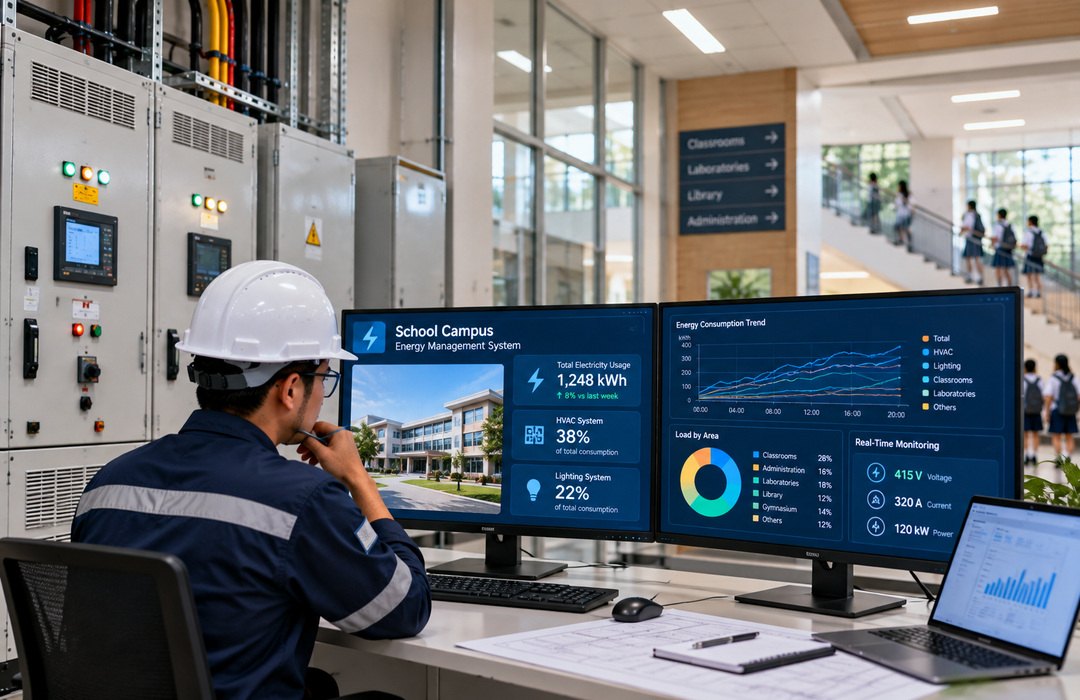
Energy Management Systems Philippines help organizations understand where energy is being used, how consumption changes throughout the day, and which parts of a facility may be using more power than expected.
An Energy Management System (EMS) can collect information from electrical meters, sensors, HVAC equipment, lighting systems, and other connected building assets. The data is then organized into dashboards, reports, and historical records that facility teams can review.
The system is not only about collecting numbers. Its value comes from using those numbers to make better decisions. A facility may discover that equipment continues running after business hours, one department is consuming more electricity than expected, or certain systems are creating unusually high demand at particular times. Energy management also involves people and operating practices, not software alone. A good system helps an organization set energy goals, measure progress, and decide what changes are worth making.
Foxcon Total Solutions, Inc. provides Energy Management Systems for offices, manufacturing facilities, hospitals, hotels, schools, government properties, and other commercial environments that want clearer visibility into energy use.
Why Choose Energy Management Systems?
An electricity bill tells a business how much energy it used overall, but it does not always explain where that consumption came from. An Energy Management System provides more detail.
Instead of looking only at total monthly consumption, facility teams can compare different floors, departments, equipment groups, or operating periods. This makes it easier to identify patterns that might otherwise go unnoticed.
For example, energy use may remain high overnight even though most employees have gone home. An HVAC unit may begin consuming more electricity than it normally does. Several large loads may also run at the same time and create an avoidable demand peak. Once those patterns are visible, the organization can decide whether operating schedules, equipment settings, maintenance, or other changes are appropriate.
Energy data can also help businesses check whether an efficiency project actually worked. If lighting, cooling, or other equipment is upgraded, consumption before and after the change can be compared instead of relying on assumptions.
How Energy Management Systems Work
The process starts with measurement. Meters and sensors collect information from selected electrical circuits, equipment, or areas of the facility. Depending on the setup, the EMS may also receive data from Building Management Systems, HVAC controls, lighting systems, solar generation, batteries, or other connected equipment.
That information is sent to software that organizes the readings and makes them easier to review. Facility teams can look at current consumption, compare historical periods, track selected performance measures, and identify unusual changes.
Some systems can also use defined rules to control connected equipment. For example, selected loads may be scheduled around operating hours or adjusted when energy demand reaches a certain level.
More advanced setups may coordinate different energy sources and loads, such as solar generation, battery storage, and electrical demand. The appropriate level of control depends on the facility and what the organization wants the system to accomplish.
Energy Management Systems Safety & Trust
Energy decisions are only as good as the information behind them. Meters and sensors should therefore be installed correctly and checked when readings appear inconsistent. A poorly configured meter can produce misleading information and send facility teams in the wrong direction.
The organization should also decide who is responsible for reviewing the data. A dashboard that nobody checks does not reduce energy consumption on its own.
Targets should be realistic and measurable. Instead of simply saying the business wants to “use less energy,” facility teams can track consumption against production, occupancy, floor area, operating hours, or another measure that makes sense for the facility. Connected EMS platforms should also use appropriate account controls, software updates, and network protection, particularly when users can access energy information or equipment controls remotely.
Foxcon Total Solutions, Inc. can support EMS projects through assessment, system planning, metering, integration, testing, commissioning, and technical support.
Energy Management Systems Tips
-
Establish a clear starting point before making major energy changes.
-
Measure important loads separately when total building consumption does not provide enough detail.
-
Compare similar periods rather than looking at individual readings without context.
-
Check what equipment is running outside normal operating hours.
-
Investigate sudden increases in consumption instead of treating them as normal.
-
Review energy data together with occupancy, production, or operating schedules where relevant.
-
Assign specific personnel to review reports and follow up on unusual results.
-
Keep meters and sensors properly configured and maintained.
-
Measure results after energy-saving changes are introduced.
-
Update energy targets as the building, equipment, or operating schedule changes.
Find the Energy Use You Cannot See on the Monthly Bill
One of the most useful roles of an EMS is showing where small operating habits add up. A building may have no obvious electrical problem but still waste energy because air conditioning starts too early, lights remain on in unused spaces, or equipment continues running through weekends.
Those issues can be difficult to identify from a single monthly utility bill. More detailed monitoring can show when consumption rises and which areas are responsible. Facility teams can then investigate whether the increase is expected or whether something needs to change.
The same data can help prioritize projects. Instead of replacing equipment simply because it is old, an organization can look at where the largest or most unusual energy use is actually occurring.
A professional assessment can determine which areas need metering, what information should be collected, how the EMS should connect with existing building systems, and which reports will be most useful to the people managing the facility.
Frequently Asked Questions
What is an Energy Management System?
An Energy Management System (EMS) is a technology solution that monitors, analyzes, and manages energy consumption across a facility to improve efficiency, reduce operating costs, and support sustainable building operations.
What systems can integrate with an Energy Management System?
Energy Management Systems can integrate with Building Management Systems (BMS), HVAC equipment, lighting controls, Power Distribution Systems, electrical meters, Building Automation Systems, and other connected building technologies.
Which facilities benefit from Energy Management Systems?
Energy Management Systems are widely used in office buildings, hospitals, schools, hotels, manufacturing facilities, warehouses, shopping centers, government buildings, and other commercial properties with significant energy consumption.
How do Energy Management Systems help reduce energy costs?
By monitoring energy usage, identifying inefficient equipment, analyzing consumption trends, and supporting automated energy-saving strategies where applicable, an EMS can help organizations optimize energy use and reduce unnecessary operating expenses.
Can Energy Management Systems support sustainability initiatives?
Yes. Energy Management Systems can help organizations monitor energy performance, identify unnecessary energy use, improve operational efficiency, and support sustainability goals by providing useful energy data and performance reporting.
Why is preventive maintenance important for Energy Management Systems?
Routine inspections, sensor calibration, software updates, equipment testing, and preventive maintenance help maintain accurate energy monitoring and reliable system performance.
Make Energy Management More Efficient and Measurable
Improve visibility into power consumption with professionally planned Energy Management Systems. From monitoring and data collection to system integration and electrical planning, Foxcon Total Solutions, Inc. can help organizations better understand and manage facility energy performance.
📞 Contact us today to discuss your energy management requirements.
📍 Serving businesses in Cebu, Metro Manila, and nationwide.
🌐 Explore Foxcon’s solutions to learn more about our services.
References
1. United Nations Industrial Development Organization (UNIDO) – What Is an Energy Management System? https://www.unido.org/stories/what-energy-management-system
2. gridX – What Is an Energy Management System? https://www.gridx.ai/knowledge/what-is-an-energy-management-system
3. ScienceDirect – Energy Management System https://www.sciencedirect.com/topics/engineering/energy-management-system
4. IBM – What Is an Energy Management System (EMS)? https://www.ibm.com/think/topics/energy-management-system
5. Mavarick – Energy Management Systems: A Complete Guide https://www.mavarick.ai/blogs/energy-management-systems-complete-guide