


News and Events
Electrical Testing and Commissioning Philippines: Verifying Electrical Systems Before They Go Live
What Is Electrical Testing and Commissioning?
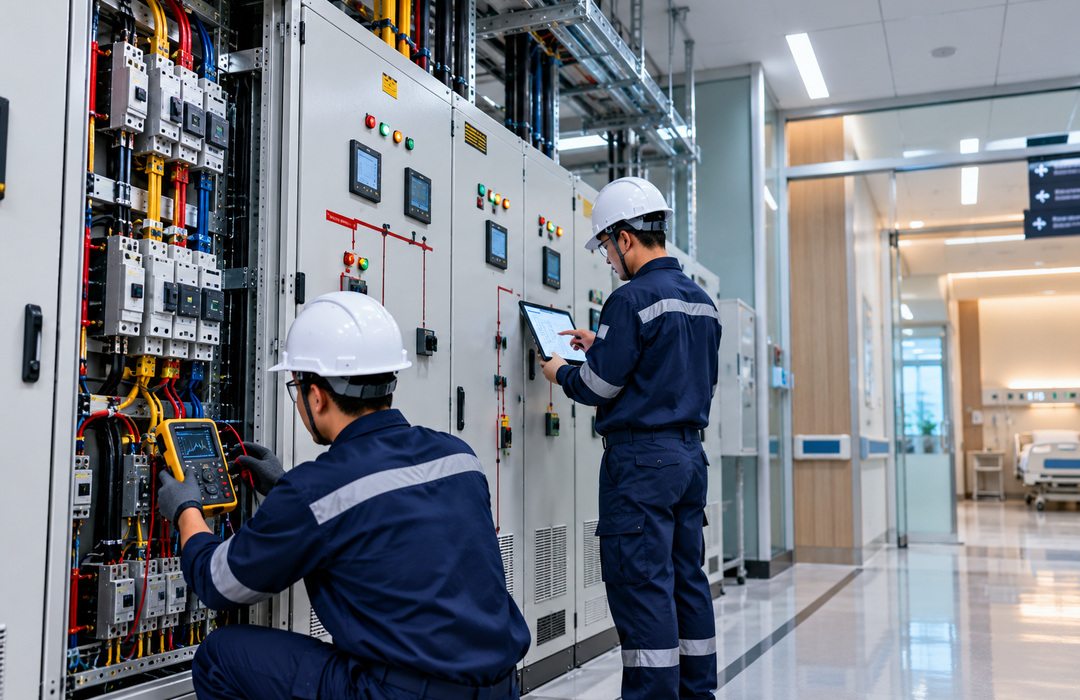
Electrical Testing and Commissioning Philippines covers the checks performed before a new or upgraded electrical system is placed into regular operation. The goal is straightforward: confirm that the installation matches the approved design, equipment is connected correctly, protective devices work as expected, and the system is ready to operate safely.
Testing and commissioning are related, but they are not exactly the same. Testing focuses on individual components and electrical conditions, while commissioning looks at the complete installation and confirms that its components work together as intended.
Depending on the project, technicians may inspect switchboards, transformers, distribution panels, circuit breakers, cables, grounding systems, protective devices, and backup power equipment. The exact tests depend on the equipment installed and the requirements of the project.
Foxcon Total Solutions, Inc. provides Electrical Testing and Commissioning for commercial buildings, manufacturing facilities, hospitals, schools, hotels, warehouses, government properties, and other facilities that depend on reliable electrical infrastructure.
Why Test Electrical Systems Before Regular Operation?
An electrical installation can look complete and still have problems that are not immediately visible. A loose termination, incorrect connection, damaged cable, improper grounding condition, or incorrectly configured protective device may only become apparent once the system is energized or placed under operating conditions.
Testing gives the project team an opportunity to find these issues before the electrical installation is handed over for everyday use.
Commissioning goes further by checking whether the completed installation performs according to its intended design. Individual pieces of equipment may pass their own tests, but the project still needs to confirm that they operate correctly as part of the complete electrical system. This is particularly important for facilities where an electrical failure could interrupt production, communications, security, IT services, or other important operations.
Testing also establishes baseline information about the condition of equipment at turnover. Those records can later be compared with maintenance test results to help identify changes in performance.
What Happens During Testing and Commissioning?
The work normally begins before equipment is energized. Technicians first review the installation and available project documents. Equipment identification, cable connections, terminations, grounding, ratings, and installation conditions can be checked against approved drawings and specifications.
Electrical tests are then selected according to the equipment being evaluated. These may include insulation resistance, continuity, grounding checks, voltage measurements, circuit breaker tests, and other equipment-specific procedures.
Results should not simply be collected and filed. Any reading outside the expected range needs to be investigated before the affected equipment moves to the next stage. Once the required pre-energization checks have been completed, equipment can proceed through functional testing and controlled energization according to the project’s procedures.
The final stage confirms whether the complete installation operates as intended. Test results, identified issues, corrective work, equipment settings, and final status should then be documented for turnover.
Tests Depend on the Equipment Being Commissioned
There is no single test that can prove an entire electrical installation is ready. A transformer requires different checks from a circuit breaker, while a grounding system is evaluated differently from a cable.
Protective devices may also require verification of their settings and operation rather than a simple visual inspection. This is why the test plan should be prepared around the actual equipment installed on the project.
For example, insulation resistance testing can help assess the condition of electrical insulation. Continuity testing checks whether an intended electrical path is complete. Grounding tests help verify the grounding arrangement, while breaker testing can confirm the condition and operation of protective equipment.
The required procedures, test limits, instruments, and acceptance criteria should be established before testing begins rather than decided after results have already been collected.
Electrical Testing and Commissioning Safety & Trust
Electrical testing can involve energized equipment and potentially dangerous electrical conditions. It should therefore be performed by qualified personnel using suitable procedures and properly maintained test instruments.
Calibration also matters. A measurement is only useful when the team can rely on the equipment producing it. Test instruments should be appropriate for the work and maintained according to applicable requirements.
Another important part of commissioning is controlling what happens when a test fails. A failed result should be documented, investigated, corrected, and retested where required. Simply repeating a test until an acceptable number appears does not establish that the underlying problem has been resolved.
Clear records create accountability throughout this process. They show what was tested, the results obtained, problems discovered, corrective actions completed, and whether the equipment was ultimately accepted. Foxcon Total Solutions, Inc. can support projects through inspection, electrical testing, functional verification, commissioning, documentation, and technical support.
Electrical Testing and Commissioning Tips
-
Prepare the test plan before energizing new electrical equipment.
-
Confirm that drawings and equipment information match the actual installation.
-
Use testing procedures appropriate to each type of electrical equipment.
-
Check the condition and calibration status of test instruments before use.
-
Record actual readings instead of simply marking equipment as passed.
-
Investigate failed or unusual results before proceeding with energization.
-
Document corrective work and perform retesting when required.
-
Keep final commissioning reports for future maintenance and troubleshooting.
-
Record important equipment settings at turnover.
-
Use commissioning results as baseline information for future inspections.
Good Commissioning Ends With Useful Records
Commissioning is not finished when the equipment turns on. A complete handover should leave the facility team with information they can use after the contractors and commissioning personnel have left the site.
Test reports should clearly identify the equipment tested, procedures performed, measurements recorded, issues discovered, and final results. Where relevant, equipment settings and corrective actions should also be documented.
These records become particularly valuable when a problem occurs months or years later. Maintenance personnel can compare current measurements against commissioning results instead of working without a reference point. The documentation can also help when equipment is modified, replaced, or incorporated into a future expansion.
For businesses investing in a new electrical installation or major upgrade, proper testing and commissioning therefore provide more than an approval before startup. They create a documented starting point for the electrical system’s operational life.
Frequently Asked Questions
What is Electrical Testing and Commissioning?
Electrical Testing and Commissioning is the process of inspecting, testing, and verifying electrical systems to confirm that they operate safely, meet design specifications, and are ready for normal operation.
Why is Electrical Testing and Commissioning important?
It helps identify installation errors, equipment defects, wiring issues, and electrical faults before systems are placed into service, supporting safer and more reliable operation.
What types of electrical equipment are tested during commissioning?
Testing may include switchboards, distribution panels, circuit breakers, transformers, grounding systems, electrical cabling, protective devices, backup power systems, and other critical electrical infrastructure.
Which facilities require Electrical Testing and Commissioning?
Electrical Testing and Commissioning are commonly performed in office buildings, hospitals, manufacturing facilities, schools, hotels, commercial complexes, warehouses, government buildings, and industrial plants.
Can Electrical Testing and Commissioning support other building systems?
Yes. Electrical Testing and Commissioning can help verify the electrical infrastructure supporting Building Management Systems (BMS), Fire Alarm Systems, Access Control Systems, CCTV, Network Infrastructure, Server Rooms, Backup Power Systems, and other building technologies that depend on stable electrical power.
Start Operations With Confidence in Your Electrical Systems
Make sure your electrical infrastructure is properly inspected and tested through professional Electrical Testing and Commissioning. Foxcon Total Solutions, Inc. can help verify installed systems, identify issues, document results, and support proper project turnover.
📞 Contact us today to discuss your electrical testing and commissioning requirements.
📍 Serving businesses in Cebu, Metro Manila, and nationwide.
🌐 Explore Foxcon’s solutions to learn more about our services.
References
1. Electrical Engineering Portal – Electrical Testing and Commissioning Handbook https://electrical-engineering-portal.com/download-center/books-and-guides/electrical-engineering/electrical-testing-commissioning-handbook
2. SlideShare – Testing and Commissioning of Electrical Equipment https://www.slideshare.net/slideshow/testing-and-commissioning-of-electrical-equipments-testing-of-current-transformer-and-voltage-transformer-prepared-by-jobin-abraham/87377430
3. CBS Field Services – Electrical Acceptance Testing & Commissioning https://cbsfieldservices.com/services/electrical-acceptance-testing-commissioning/
4. Prismecs – Electrical Commissioning Checklist https://prismecs.com/blog/electrical-commissioning-checklist-by-prismecs
5. Construct & Commission – Testing vs. Commissioning: What Is the Difference? https://constructandcommission.com/testing-vs-commissioning-what-is-the-difference/